Archives

Blog index

Blog

  • Lighting Smoke Trails

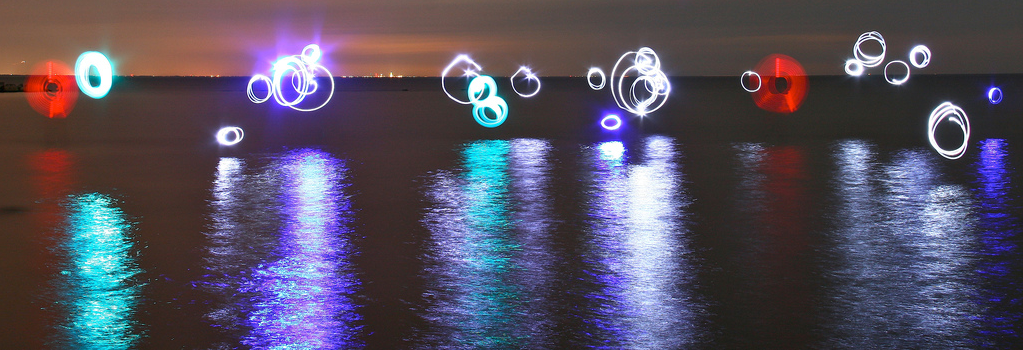
    I shot this for a story at my college paper about the city deferring the medical marijuana decision ruling four consecutive times. We needed a catchy jump from A1, so I came up with this. This was a fun shoot. We got some strange looks, but good results.
    Disclaimer: These are hand-rolled tobacco cigarettes. No illegal drugs were used in these photos. While I am in favor of drug legalization, I am most certainly not in favor of using drugs. They destroy our most valuable asset, our mind.

    Strobist info: Gridded LP160 to fill the face in and a bare LP160 at a higher power as a rim/smoke light, shot from behind the subject’s right side. I also used a snooted 430EX to light the hand with the cigarette in it. Cactus V5 triggers.

    Strobist info: Gridded LP160 to fill the face in and a bare LP160 at a higher power as a rim light, shot from behind the subject’s right side. Cactus V5 triggers.

  • National Review Online

    One of my photos was on National Review Online today!

    The photo was of the recently dedicated statue of Former President Reagan that was dedicated here at Hillsdale College last week. The Reagan statue is Hillsdale’s most recent addition to the Liberty Walk.

    Here is a larger version:

  • Recently on The Primal Challenge

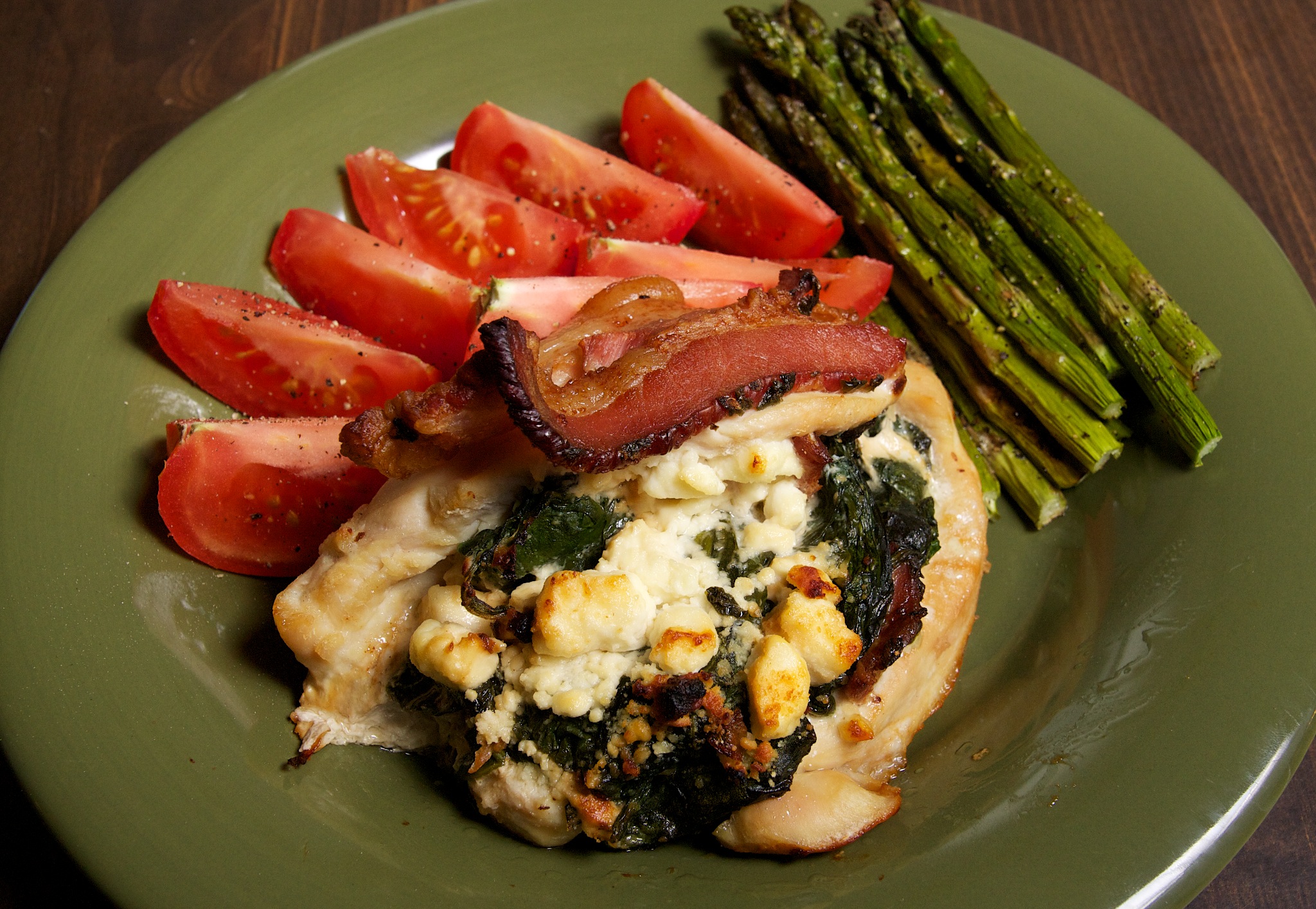
    Above: Chicken Stuffed with Spinach, Feta, and Bacon – my latest recipe at The Primal Challenge.

    I’ve been posting frequently over at The Primal ChallengeArchived Link. Check out some of my recent posts:
    Welcome Two New People to the 30 Day Challenge!
    Mass Production, Restaurants, and Food Quality
    Primal Apple Crumble (a recipe from my parents!)

    Also, here is the recipe for the delicious dish in the photo above:

    Chicken Stuffed with Spinach, Feta, and Bacon
    Ingredients:
    3 chicken breasts
    1 bag of fresh spinach
    Feta cheese
    1/2 lb of bacon, dice all but 3 pieces
    1/4 onion, diced
    3 cloves garlic, minced
    Black pepper
    Olive oil

    1. 1. Preheat oven to 425 degrees F.
    2. 2. Heat your favorite fat (I used olive oil) in a skillet and start cooking the diced bacon along with the diced onion and the spinach. Saute it all together. Don’t worry, the spinach will cook down quickly.
    3. 3. Butterfly the chicken breasts.
    4. 4. In a bowl, mix the sautéed spinach, onions, and bacon with however much feta cheese you prefer.
    5. 5. Spread the minced garlic inside the butterflied chicken.
    6. 6. Put the spinach, onion, bacon, and feta mixture on 1/2 of each butterflied chicken breast and fold the other side back on top of it.
    7. 7. Top each stuffed chicken with the pieces of bacon you set aside earlier.
    8. 8. Place on a pan and bake at 425 degrees for 35-40 minutes, or until the chicken is fully cooked. Turn the broiler on for the last 2-3 minutes to brown the top of the chicken and crisp the bacon.
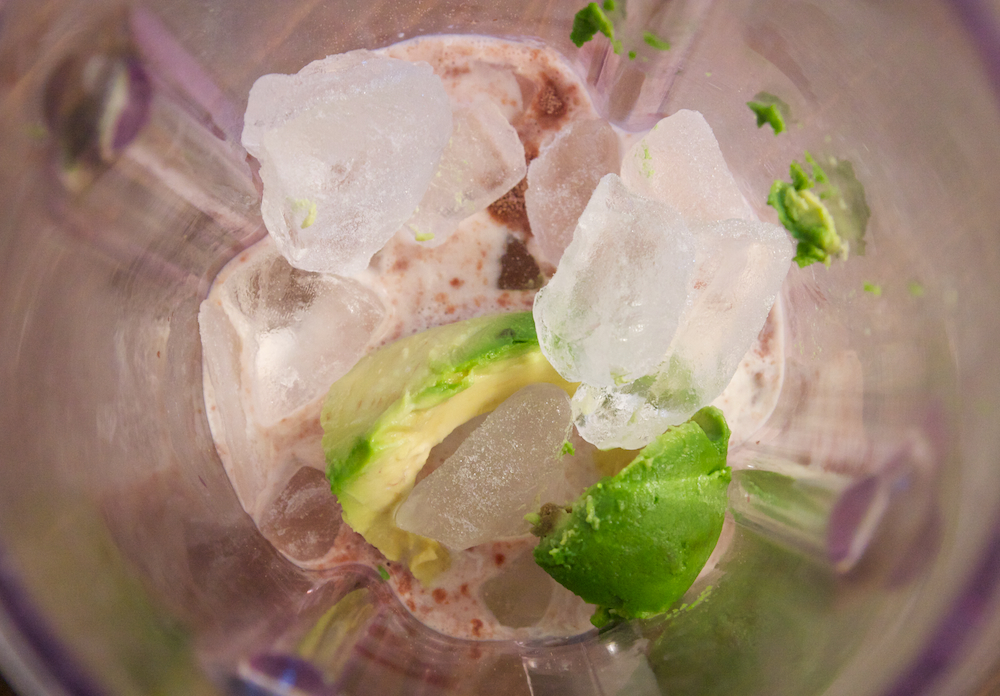
  • The Primal Challenge: Smoothies Revisited

    I posted about three of my favorite primal breakfast smoothies over at The Primal Challenge today. Click over and check it out!

    I know I have been linking to my posts over at The Primal Challenge quite a bit. I will post some original stuff (photography, thoughts, recommendations) on here soon. Stay tuned.

  • Light temperature, Sleep, and F.lux

    I posted again over at The Primal Challenge today. Here is the post, in its entirety, below:

    I don’t know about you, but the “no glowing rectangles an hour before bed” rule is difficult for me. At Hillsdale I am usually so busy that I can’t avoid using my laptop before bed, lest work go unfinished. That used to affect my sleep a great deal, but then I came across a tip in Matt Madiero’s book, Roots.

    Matt recommends a great piece of freeware called F.lux. Made by Stereopsis, F.lux is a free, cross-platform (Windows, Mac, and Linux) piece of software that changes the color temperature of the screen on your computer at night to the ambient light around you. Normally, screens are set around 6500 K, roughly the temperature of sunlight, which is great for waking you up, but not for allowing you to fall asleep. Some CRTs go all the way up to 9300 K. F.lux changes your screen temperature at sunset to around 3400 K, which is roughly the temperature of halogen light.

    When I first installed the software, I didn’t think it made a noticeable difference until I turned it off a few hours later in order to edit some photos. When I turned F.lux off, the screen hurt my eyes! I can’t definitively say it has improved my ability to fall asleep since I’ve used it because I am getting more exercise during the day and I am usually exhausted by the time I go to bed, anyway. Since turning it off hurts my eyes so much, though, I suspect that f.lux is at least not hindering my brain from making melatonin to make me sleepy.

    Stereopsis cites a lot of research which deals with the effects of color temperature. Here is an excerpt:

    “…we surmise that the effect of color temperature is greater than that of illuminance in an ordinary residential bedroom or similar environment where a lowering of physiological activity is desirable, and we therefore find the use of low color temperature illumination more important than the reduction of illuminance. Subjective drowsiness results also indicate that reduction of illuminance without reduction of color temperature should be avoided.”
    – from the paper: “Effect of Illuminance and Color Temperature on Lowering of Physiological Activity”

    So, does this mean it is okay to use your computer all of the time before you go to bed? No. It is still best to keep things pretty low-key and dim before you go to bed. You should also avoid having lights in your room at night. (I covered up all of the lights on my gadgets.) When you must use your laptop at night though, lower the color temperature with F.lux. Also, if you are the type of person who reads for an hour before bed, use a bulb with a lower color temperature. Wikipedia has a good chart of common bulb color temperatures.

    Want to know something interesting? Those most of those curly florescent bulbs that Congress is trying to get you to buy are around 5500 K. So not only do they contain mercury and are more expensive than incandescent bulbs, but they are also ruining your ability to fall asleep. As Bastiat noted so long ago, government intervention has unintended consequences.

  • The Primal Challenge: Chicken Tacos with Guacamole

    Check out my lastest post over at The Primal Challenge: Chicken Tacos with Guacamole.

  • First Post at the Primal Challenge: Sausage, Spinach, and Tomato Frittata

    I had my first post today over at the Primal Challenge. I met Bob and Antonie, two of the people who started the site, at the FEE mansion this summer. After they graciously linked to a few of my posts, they invited me to contribute! I will post recipes and thoughts on living primally in college. Head on over to the Primal Challenge blog and check out my first post!

  • Homemade Primal Kits

    A few days after I started the primal challenge, I was on the look-out for a quick snack idea that could double as a light lunch. I saw that a few websites recommend Paleo Kits from Steve’s Original, so I ordered a sample pack of Steve’s products to give them a try. I was a huge fan of the Original Paleo Kit and the Coconut Paleo Kit. I almost ordered more, then I thought, “Why can’t I make this myself?”. I went home for a week between my internship at the Foundation for Economic Education and heading back to Hillsdale, so I teamed up with my parents and made some goodies of my own. Since they are a mix between Paleo Kits and Primal Pacs, I am dubbing them Primal Kits for the time being.

    Though we used some specialized equipment, there are some alternative ways of making these, so try it out!

    What are in the kits:
    Beef Jerky
    Almonds
    Pecans
    Dried Blueberries
    Dried Cherries
    Dried Strawberries
    Dried Coconut
    A few dried Apricots

    The Grimmett Household is no stranger to making jerky, so we marinated some beef in our favorite batch of seasonings, put it in the smoker for a few hours, then finished it in the dehydrator. If you don’t have a smoker, you can make it entirely in a dehydrator, but it takes much longer. If you have neither of these things, an oven or a grill works just as well. Search Google for methods. Also, search Google for jerky recipes…there are thousands. Like I’ve mentioned before, I am not a big fan of measuring things out, so I just mixed together a few different sauces and spices for the marinade. That is what I’ve always done and it always turns out to be delicious. Don’t fret over exact recipes.


    We also dried the strawberries in the dehydrator. I store-bought the rest. I bought the dried berries with the least amount of added sugar and preservatives in the store. If I could do this over again, I would have dried everything myself, but I simply did not have enough time. I was leaving for Hillsdale in two days and needed to finish these up. I figured this would be okay, given the 80/20 rule and the fact that a tiny bit of extra sugar is still better than the massive amounts of bread, pasta, and candy I was eating earlier this summer. I know this is less than ideal, but again, I was short on time. The next batch will all be dried at home and preservative/added sugar-free.

    To finish things up, we Seal-a-Meal’d everything in convenient portions. If you don’t have one of these nifty machines, use zip-loc bags. (The shelf-life might not be as long as their vacuum-sealed twins’, though.) We didn’t measure anything out…we just put in what we thought was a good relative ratio of nuts, berries, and jerky and didn’t lose sleep over it.

    These are quite tasty and keep me going throughout the day. Try your hand at making some!

  • A Year Ago… Longs Peak


    A year ago today I summited Longs Peak in Estes Park, CO with a wonderful group of people from the RMNP ForumsArchived Link. We took the Keyhole Route. At 14,259 ft, Longs Peak was the first “fourteener” I’ve ever climbed. Here are a few photos by John Swadley. Click to enlarge. I will post some of my photos from the hike this coming week.

    Lora, Allen, Ed, and me (I am at the bottom of the photos) making our way across the Narrows.

    The group at the Boulderfield around 7 a.m. (after 3.5 hours of hiking already)

    Me on the Ledges

    At the summit!

    More photos to come soon! Stay tuned!

  • Canna Leaf


    I am home for a week and my Mom has some Canna plants in both our back and front yards. The leaves look absolutely brilliant when the sun shines through them.

    ISO 100; f/13; 1/60. Only natural light on this shot.

    I am going to experiment with some strobist tricks on the leaves soon. Stay tuned.

  • Eggplant Dish

    Strobist info: Canon 430EX in a shoot-through umbrella camera right on 1/4 power. Fired via a Cactus V5 trigger.

    Inspired by the delicious food I ate in Turkey and the primal challenge, I made an eggplant and meat dish for dinner last week. I took a stroll through the Irvington Farmer’s MarketArchived Link that meets every Wednesday and saw the eggplant a local farmer had at his booth. I’ve never cooked eggplant before, but I thought, why not? So I bought some. It turns out to be pretty simple to prepare.

    Ingredients:
    Eggplant
    Steak
    Tomatoes
    Onions
    Garlic
    Olive Oil
    Hot Peppers
    Spices

    First, I cut the eggplant in half lengthwise and soaked it in cold salt water for 30 minutes to take away the bitterness. Our fabulous Turkish tour guide Mehmet told me to do this. As I let the eggplant soak, I cut up some steak into small pieces and browned it with some onions. I also cut up a few large tomatoes and finely chopped some garlic and one of the hot peppers. I mixed this all together in a casserole dish with the browned meat and onions, and put the eggplant in the dish flesh-side up. I cut some slits in the eggplant and put in chopped garlic, then drizzled quite a bit of olive oil over the whole dish. I also cut the remaining pepper in half and put it in the dish as well. I baked everything (with the casserole dish covered!) on 400 for an hour.

    Here is a shot of the dish when it came out of the oven:

    I have two other ways I’d like to prepare eggplant, including stuffing one, so check back!

  • Zucchini “Pasta”

    Zucchini Pasta with Chicken

    First off, I apologize for the low quality cell phone photo. I was pressed for time tonight and didn’t bring my rig out like I usually do. As I wrote about in the last post, I am taking the 30-day Primal Challenge, so no grains or processed sugars for me for the rest of the month. This includes one of my favorite foods: Pasta.

    A few weeks ago I came across an article somewhere on the internet about zucchini “pasta” so I decided to give it a try.

    Let me tell you, it was simple to make and delicious. I used to be quite the skeptic when it comes to foods outside of my comfort zone (I am getting better though, right Mom?) but this was so delicious I would eat it even if I was not taking the Primal Challenge.

    To make it, all I did was take two slightly larger than medium zucchini, make “noodles” using a vegetable peeler (a julienne peeler would have worked great for this, but I do not have one), and throw them in the microwave for two minutes. (If you boil them, watch them closely. They will turn brown and soft quickly, which is not what you want. You want them still translucent and al dente. When I took them out of the microwave, I drained the excess liquid out of the bowl, lightly seasoned them with salt and pepper, then put half on a plate and kept the other half in the bowl. I put the marinara sauce I had left over from the last post on that half and I put garlic and olive oil on the half still in the bowl.

    I personally enjoyed the half with garlic and olive oil more than the half with marinara, but that is merely because of my personal preferences. I enjoyed both quite a bit, though.

    If you have a ton of zucchini from your garden this summer that you don’t know what to do with, give this a try! Or, if you are just looking for a change from the same old, same old, try it!

    Let me know what you think. Post a comment if you make it!

  • Chicken and Spinach Stuffed Portobello Mushrooms

    Strobist info: I tried the Strobist method of using the ceiling as a light mod in this shot. Canon 430EX at 1/2 power bounced off of the ceiling. Fired via a Cactus V5 trigger.

    I’ve been doing quite a bit on diet and nutrition this summer and last Sunday I decided to take the 30 Day Primal Challenge. (Learn about the primal lifestyle at Mark’s Daily Apple.) For those of you unfamiliar with this, at the most basic level, I am not consuming any grains or refined sugar for the next thirty days. I am tracking my weight and measurements, as well as writing down everything I eat, how much I exercise, and my sleep patterns, so I will post about my experience with the challenge and the results at the end of the 30 days.

    I love to cook, so here is the primal-compatible (also gluten-free!) dinner I made tonight:

    Chicken and Spinach Stuffed Portobello Mushrooms
    Serving size: 3 stuffed mushrooms

    • 3 medium portobello mushrooms
    • 1 chicken breast, butterflied, grilled, and diced up into small pieces
    • ¼-⅓ lb cooked spinach
    • ¼ medium onion
    • 1 14.5oz can of plain diced tomatoes
    • 1 egg
    • 5 cloves of garlic, finely chopped
    • Olive oil
    • Salt
    • Dried Basil
    • Dried Oregano
    • Dried Parsley
    • Pepper

    Preheat the oven to 400 degrees fahrenheit.
    Butterfly and grill the chicken breast, then dice it up into small pieces. (Spice it however you like. I prefer salt, black pepper, and garlic powder.)

    While the chicken is cooking, prepare the portobello mushrooms by washing them and scooping out the gills and discarding them along with the stem. Brush the outsides of the portobellos with olive oil and put some of the chopped garlic on the inside of each one, but leave some to saute the spinach with. Then line a casserole dish with aluminum foil, put the mushrooms in it, and roast them for 10-15 minutes on each side.

    While the mushrooms are roasting, open the can of tomatoes and cook them in a small saucepan on high until 4/5 of the original liquid is gone. Be sure to add the parsley, oregano, basil, and a little bit of garlic to the sauce while it is cooking. I like spicy sauces, so I also added crushed red pepper. Once 4/5 of the liquid is gone, put the tomato mixture into a blender or food processor and puree it to your desired consistency. I suppose you could go out and buy your favorite marinara sauce, but what fun is that? This is a cheap, easy way to make your own. I hesitate to call this a real marinara sauce…my wonderful Italian girlfriend Amanda might object. Regardless, this was delicious, so I suggest you give it a try.

    Next, the spinach mixture. If you have frozen spinach, heat it up in a pan and saute the diced onions with it. Or, if you have fresh spinach like I did, put 1/4-1/2 cup of water into a pan and add the fresh spinach and diced onions, turn the heat on medium, cover the pan, and wait until it looks like something Popeye would eat. (Or, in other words, it looks done.)

    Digression: Notice I have been putting ranges for the measurements and cooking times. I eyeball measurements and estimate the cooking times. Meticulously measuring and setting timers is a waste of my time. If I cut into it and it looks done, I call it done.

    (Go check on the chicken! You don’t want it to burn!)

    When your chicken and spinach are done and your mushrooms have been sufficiently roasted, pull the mushrooms out of the oven. Mix the chicken with the spinach and onions, then crack the egg over top. Mix everything thoroughly. Divide the mixture into thirds, then mound it on top of the portobellos. I found my hands worked best for this (though I am a little biased because I like to do the least amount of dishes possible.) Turn on the broiler and put the stuffed mushrooms back in the oven for 5 minutes, or until evenly browned. The industrial stove I was using does not have a broiler, so I just turned the oven up as high as it would go, left the mushrooms in for 10 minutes, and called it good.

    After the stuffed mushrooms are done, pull them out of the oven, plate them, and spoon some of the “marinara sauce” on top. This is where the aluminum foil will help quite a bit. You can pull the foil out of the pan with the mushrooms still on it, making them much easier to move onto a plate with a spatula. They don’t stick to aluminum foil as well as they would stick to the pan. Furthermore, it makes for easy clean up!

    I suggest enjoying this dish with friends and a good red wine of your choice. (It is primal!) I had a Malbec on hand, so that is what I enjoyed it with.

    Other suggestions: You can try this recipe with a variety of other things, depending on your preferences and dietary requirements. Other combinations I recommend trying are sausage and spinach, sausage and broccoli, chicken and cheese, steak and blue cheese or goat cheese, or chicken, red peppers, and spinach.

    Here is a shot of the stuffed portobellos without the sauce on top:

    Strobist info: Same as above

    If you try this recipe, leave a comment with your results! I am always open to recommendations. Also, if you have any questions, do not hesitate to ask. I love hearing from people!

  • Trevor Freudenburg

    As I edit the photos from the wedding I photographed this weekend, I will continue to post photos I took last semester.

    I shot these portraits of Trevor Freudenburg for his acting portfolio shortly after I shot Ryan’s. Trevor didn’t want his photos taken in a studio like everyone else’s, so we went up on the cat walk above the auditorium where all of Trevor’s theatre performances take place. This fun challenge forced me to think outside the box in terms of light placement. I used clamps, boom-arms, weights, and ball bungees to get my flashes where I wanted them. Most of the time that meant the ground was 40 feet below them.

    Strobist info: shoot through umbrella on a boom arm camera right (430EX), a bare flash clamped to a pipe camera left (SB-24), and a bare flash behind Trevor lighting up some of the background (235 HV). All three flashes fired via Cactus V5 triggers.

    Strobist info: shoot-through umbrella on a boom arm with a 430EX camera right and a bare SB-24 right over his shoulder. Both fired via Cactus V5 triggers.

  • Ryan Black, Actor

    In the spring I shot some portraits of Ryan Black for his acting portfolio. I included strobist info underneath each photo. Thank you to Alex Cothran for assisting me on this shoot.

    Strobist info: Two studio strobes in umbrella softboxes at 45 degrees from Ryan’s nose on both sides. Both on 1/8 power. There is also a Canon 430EX behind Ryan on camera left giving an accent to his face on that side.

    Strobist info: Studio strobe in an umbrella softbox camera right right about 3ft away from Ryan at a 30 degree angle from his nose for a key light and another studio strobe in an umbrella softbox camera left for fill. Fired via pc port on my camera.

    Strobist info: Key: Studio strobe in umbrella softbox on camera right about 50-60 degrees up and 45 degrees to the right. approximately 3ft away. Fill light is from another studio strobe in an umbrella softbox about 6ft away on camera left.

  • Meghan Haines, Rocker Chic

    I shot these photos of Meghan Haines last semester for a fashion section of the Hillsdale Collegian. See a few more photos and some commentary over at the Hillsdale Arts Blog. A special thank you to Marieke van der Vaart and Rachel Hoffer for helping me with this shoot.

    Strobist info (above): Softbox camera left with a Canon 430EX fired through it and a SB24 camera right lighting up her zebra-striped umbrella from behind.

    Strobist info (above): Softbox camera left with a Canon 430EX fired via a Cactus V5.

    Strobist info (above): Softbox above camera left with a Canon 430EX and a SB24 directly behind Meghan lighting up her purple highlights. Fired via Cactus V5 triggers.

    Coming up next: Portraits of Actor Ryan Black. Check back!

  • Hillsdale Tower Dancers

    I shot these photos of the Tower Dancers for the Hillsdale Collegian and the arts department last semester.

    This shot (above) ran on A1 in the March 31 edition.

    Coming up next: Photos of Meghan Haines, Rocker Chic. Check back soon!

  • Josh Taccolini

    Josh Taccolini is a very talented musician with a passion for helping others. I shot these photos for an article on Josh’s fundraiser for his Detroit missions work last semester for the Collegian. Check out the article to see what he is doing for Youthworks Detroit this summer.

    Strobist info for above: SB-24 in a white shoot through umbrella camera right (behind the piano) to light Josh’s right side and a bare Canon 430EX camera left to light the strings and Josh’s left side. Fired via Cactus V5 triggers. (H/T: The idea for this shot comes from William Clayton.)

    Strobist info: Canon 430EX in a white shoot through umbrella camera left fired via Cactus V5 trigger.

    Strobist info: Canon 430EX in a silver bounce umbrella camera left 6ft away to get Josh’s left side and the piano and SB-24 in a white shoot through umbrella camera right. (Left side is +1 stop from right side.) Fired via Cactus V5 triggers.

    Coming up next: Photos of the Hillsdale Tower Dancers performance. Check back soon!

  • Jenifer at W@tercooler

    For the next few weeks, I am participating in the Strobist Boot Camp III in order to have some fun and hone my skills.

    Here is my entry for the first assignment.

    Strobist info: Canon 430EX fired through a softbox camera right about 3 feet away on 1/32. Vivitar 285HV gobo’d and fired at 1/4 into the ceiling behind Jenifer on camera left to light up the background. Both flashes fired via Cactus V5 triggers.

    I chose Jenifer for the first assignment of Strobist Boot Camp III because she is a pillar of Tarrytown, NY, a small Hudson river community north of NYC. She started a community event, Third Friday, a few years ago and it grew into a large event which locals all look forward to each month. She is also involved in just about every aspect of the community, from hosting art shows and organizing library programs to helping preserve local architecture. Jenifer can hardly walk down the street without someone recognizing her friendly smile.

    Here is one of the test shots I took. I ended up not being as satisfied with the logo in the background as I thought I would be, so I moved to she shot above. I still like this one, though.

    I took both photos at W@tercoolerArchived Link, Jenifer’s new business venture in Tarrytown.

    Strobist info: softbox camera right with Canon 430EX on 1/8 power. Vivitar 285HV on 1/4 snooted to light up the background. Both flashes fired via Cactus V5 triggers.

    I am currently working on the next assignment. I will post all five here over the next few weeks. Check back!

  • New York Harbor


  • Pier 16


  • Patterns, Textures, and Shapes

    I gave myself an assignment this week to photograph patterns, textures, and shapes. Here is what I ended up with.

  • Photographing Fire Spinners

    Above: Jen and Chris silhouetted while spinning poi together.

    I had the opportunity ten days ago to travel up to Connecticut to go to a party and photograph some people spinning fire. I really enjoyed photographing John Walsh spinning fire for the Collegian last winter, so I immediately jumped on this opportunity and headed north. I had a great time meeting new people, hanging out, relaxing, and making photos. (By the way, the people featured in these photos made a version of Guitar Hero called Rock Inferno that shoots fire whenever the correct notes are hit. Check it out!)

    Due to some unforeseen events, the fire spinners only did one burn, so I only got one set of photos that night. The ones in this post are my favorites from the shoot. After shooting I sat down with the spinners and we looked at my photos on the TV. I got some great feedback from them on what to look for, how to direct them, the duration of some of the shapes, etc.

    Here is what I learned:
    First, the settings:
    -Low ISO, 100-200. A little higher if the flame is not that bright.
    -Relatively closed down aperture, 8-16 was the range I used. You need to open it up depending on how much ambient light you want in the shot and how bright the flame is
    -1/2 second to 2.5 seconds shutter speed for most moves is plenty. Any longer and the trails will start looking messy.

    Next, the lighting:
    -Get your flash off-camera.
    -I used between 1/4 power and 1/2 power depending on the distance the flash was fired and what aperture I was using. Lower power is better, though. If you can manage it, stay in the 1/8-1/4 range. It is much easier on your recycle times and your flash has less of a chance of overheating.
    -Diffuse the light. I used a softbox. You want to light the performer up, but just enough to see them, not make them look like a ghost.
    -Gel your flash with a 1/4 or 1/2 cut CTO to preserve the skin tones. The white (and slightly blue) light the flash puts out looks unnatural when there is orange fire around.
    -Don’t light the ground like I did. Aim your light source up and blow most of the light out above the fire spinner if you are using a softbox. If you are using a bare flash or just a cap diffuser, you can also use a gobo or a snoot to prevent light from flooding the ground. I didn’t notice this until reviewing afterwards.
    -Trigger the flash(es) manually instead of letting them automatically fire at the beginning or end of the frame. This way you can watch when the spinner is facing your direction, striking a pose, or generally looking awesome and light them up then. Some of these photos were fired in the middle of the exposure, some at the end. I had a VALS (voice-activated light stand) holding my softbox and I fired the flash using a Cactus V5, which I held in my hand.

    General tips:
    -Use a tripod. Some people say you can hand-hold the camera when shooting fire spinners, but trust me, you will be disappointed.
    -The fire starts out very bright when it is first lit. Your aperture should be pretty shut down because of this. Gradually open it up as the fuel on the wick starts to burn out and the flame gets gradually dimmer.
    -Be mindful of the background. Anything reflective WILL show up. Crank down the aperture to control the ambient if that is an issue. Try to shoot somewhere where the background is dark and far off.
    -Talk to the spinners and see how long the rotation for each design lasts. They will know. Set your shutter speed accordingly.
    -Give the spinners directions if there is something else you want. They are generally receptive to feedback. They want good photos, too!
    -Orange power cords are visually distracting. We were pretty confined as to where they spinning could occur and I didn’t have time to move it, so it is in most of my photos. Oh well. I will keep it in mind for next time.
    -Turn the flashes off and crank down the aperture if you want to get silhouettes like in my top photo
    -Try to capture people’s expressions. It will add another feel to your photos. My general rule is that people make photos more interesting.
    -Keep your frame in mind. If you get in too tight, sometimes the throws or full revolutions that the performers do go will go out of your frame. Again, work with the performer.
    -If the spinner is moving around a lot, especially towards or away from the camera, close your aperture down to keep most of the shot in focus. If you need more light from the fire when you do this, compensate with the ISO, but don’t push it through the roof. Keep the ISO as low as possible.

    If you have any questions, email me at: cagrimmett [at] gmail [dot] com

    Ray spinning a double fire staff:

    Jen doing an outward spiral:

    Dennis with nunchucks:

    Chris and Jen spinning poi together:

    Ray:

    Chris with the staff. Click on the photo to view it larger. I love the way the fire looks in this one!

    More to come. I plan to do at least one more shoot later this summer, hopefully more.

  • The Cost of the War on Drugs


    Today marks the 40th anniversary of Nixon’s War on Drugs. Check out the video and infographic below to see what the war on drugs costs and decide if it is worth it.

    All of this info is brought to you by FEE.tv and the Foundation for Economic Education. View FEE.tv’s inaugural post for more information on the war on drugs.

  • Protesting Honor Killings


    A protest started up while we were in Istanbul’s Taksim Square, so I took some photos. I was lucky enough to find a local who spoke english and he translated the signs and chants for me.

    These women were protesting honor killings. The UN estimates that as many as 5000 women around the world are killed by their families in the name of “honor.”

    My translator told me that in the southeast region of Turkey, women who are targeted for honor killings and seek help and protection from the local police and are often ignored and refused protection. How utterly horrible!

    This terrible practice is not confined to the middle east, either. This happens in America, England, and CanadaArchived Link, too.

    I am glad these women were protesting and bringing awareness to this tragic issue.